exchange for AI agents support API access
As the demand for automation and intelligent software solutions continues to grow, the concept of an exchange for AI agents has rapidly gained traction. These platforms serve as centralized marketplaces where developers can list and monetize their AI agents, while businesses and users can browse, purchase, and deploy these agents for various purposes. One of the most commonly asked questions from developers and enterprise users is, “Does an exchange for AI agents support API access?” This question is particularly relevant in scenarios where users want to integrate AI agents into their existing digital infrastructure.
API access is a vital feature in modern software ecosystems because it allows for seamless communication between different systems. When an exchange for AI agents offers API access, it enables developers and businesses to connect directly to the platform’s features and data without having to interact manually through the user interface. This is especially valuable for organizations that want to automate the deployment and management of AI agents at scale or integrate agents into custom applications, workflows, or services.
In many cases, a well-designed exchange for AI agents will include a comprehensive API that supports a variety of functions. These may include searching for AI agents based on parameters such as function, industry, or rating; purchasing or licensing agents; initiating deployments; monitoring usage metrics; and managing subscriptions or licenses. Some platforms may even offer APIs that allow users to test agents in sandbox environments before committing to a purchase. All these capabilities contribute to a smoother, more efficient experience for users who rely on automation and system-level integration.
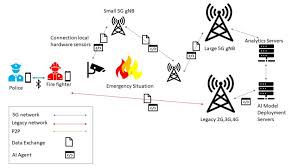
Does an exchange for AI agents support API access?
For developers who contribute AI agents to the platform, API access is equally beneficial. It allows them to update their listings, monitor engagement, receive transaction notifications, and manage customer interactions without needing to constantly log into the platform. Additionally, with API support, developers can build dashboards or analytical tools to assess how their AI agents are performing in the marketplace. This added layer of functionality enhances the utility of the exchange and attracts higher-quality developers who seek more control and flexibility.
The presence of API access on an exchange for AI agents also contributes to scalability. As enterprises increasingly adopt AI-driven technologies, they often require the ability to orchestrate multiple agents across departments or systems. An API-centric exchange allows these businesses to scale their operations smoothly, reducing manual effort and improving consistency across applications. Whether it’s integrating a conversational AI into a CRM or deploying a predictive analytics agent into a data pipeline, API access makes these tasks faster and more reliable.
In conclusion, API access is a powerful feature that significantly enhances the value and utility of an exchange for AI agents. While not all platforms may offer it by default, the more robust and forward-thinking exchanges are increasingly making it a core component of their service offerings. For users who need integration, automation, and scalability, choosing an exchange that supports API access is essential for maximizing both efficiency and the potential of the AI agents they deploy.