violence result in termination for cause wilful misconduct
Violence in the workplace is one of the most serious forms of misconduct that an employer can face. It threatens not only the safety of employees but also the integrity and stability of the entire organization. When an employee engages in violent behavior, whether physical or verbal, it can create fear, disrupt productivity, and destroy the trust necessary for a healthy work environment. This raises an important question: can violence result in Termination for cause wilful misconduct? The answer is almost always yes. Acts of violence are considered deliberate and intentional, which fits the definition of wilful misconduct and often justifies immediate dismissal without notice or severance.
In employment law, wilful misconduct refers to behavior that is intentional, deliberate, and contrary to the employer’s interests. It involves actions where the employee knows that what they are doing is wrong but chooses to proceed anyway. Violence clearly meets these criteria. Whether it involves physical assault, threats, harassment, or aggressive intimidation, such conduct demonstrates an employee’s disregard for workplace safety and respect for others. Because trust is the foundation of every employment relationship, once violence occurs, it is usually impossible for that relationship to continue. Therefore, in most cases, violence is grounds for termination for cause wilful misconduct.
Employers have a legal duty to provide a safe workplace for all employees. When one employee’s actions endanger others, immediate and decisive action is not only justified but also necessary. Terminating an employee for violence protects the organization from further harm and reinforces a zero-tolerance policy toward aggression. However, before proceeding with termination, employers must conduct a fair and thorough investigation. Even though violence appears straightforward, it is important to verify the facts, gather witness statements, review any available security footage, and allow the accused employee a chance to explain their version of events. Failure to follow due process can expose the employer to wrongful dismissal claims, even in serious cases of termination for cause wilful misconduct.
The nature and severity of the violent act also play a role in determining whether termination is justified. A single incident of physical assault or serious threat will almost always result in immediate dismissal because it shows intentional harm. However, if the act is less severe, such as a heated argument or a verbal outburst without threats or physical contact, employers may consider lesser disciplinary actions like suspension or mandatory counseling. Courts and tribunals often look at the context — whether the act was premeditated, provoked, or out of character — before deciding if dismissal was appropriate. Still, any form of workplace violence that causes fear or endangers others is taken extremely seriously and can result in termination for cause wilful misconduct.
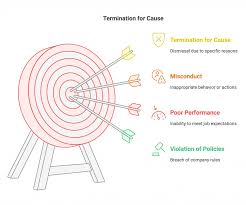
Can violence result in termination for cause wilful misconduct?
There have been many legal cases reinforcing this principle. In past rulings, courts have upheld dismissals where employees engaged in physical altercations, made violent threats, or displayed behavior that created a hostile work environment. Judges consistently emphasize that safety and respect are paramount and that employers have every right to protect their staff from aggressive conduct. These precedents make it clear that violent behavior is fundamentally incompatible with continued employment, regardless of an employee’s seniority or past performance.
For employees, understanding the consequences of violent behavior is crucial. Engaging in aggression at work can have lasting repercussions, not only resulting in job loss but also damaging future career prospects. Being dismissed for cause due to violence can make it extremely difficult to find new employment, as such terminations often appear on background checks or employment records. It is far better to seek help in managing anger, stress, or workplace conflicts before they escalate into behavior that could be considered wilful misconduct.
Employers, on the other hand, must act consistently and fairly when handling such cases. Having clear anti-violence policies, providing employee training, and documenting all incidents are essential steps to ensure that disciplinary decisions are supported by evidence and comply with employment law. Once violence is proven, immediate dismissal is usually justified to maintain safety and uphold company values.
In conclusion, violence in the workplace is one of the clearest examples of behavior that warrants termination for cause wilful misconduct. It represents an intentional act that violates both legal and ethical obligations within the employment relationship. Courts, employers, and unions alike recognize that such conduct destroys the trust necessary for continued employment. While every case must be evaluated fairly, violence almost always leads to immediate dismissal because no organization can function in an environment where safety and respect are compromised.